
Fort Myers Family Photographer • Elopement Photographer
Fort Myers Family Photographer • Elopement Photographer


As a long-term licensed contributor to Getty Images, my fine art work has been featured in international media, calendars, and editorial columns. This trains my eye for crisp, uncluttered, and magazine-worthy compositions.
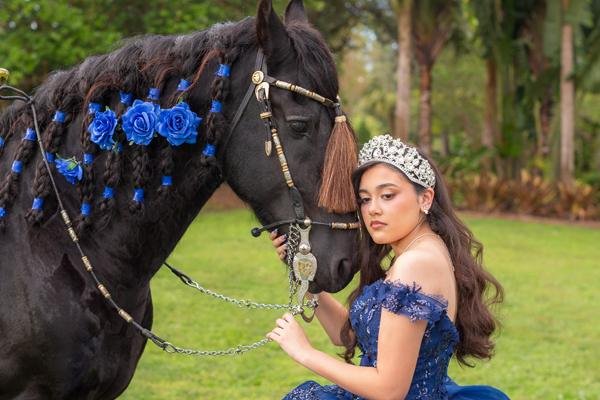
I do not alter skies into artificial purples or convert clean sand dunes into saturated orange templates. True craftsmanship means leveraging the actual sand reflection and high-dynamic camera range to keep skin textures glowing and real.

I believe in timeless integrity. Every package includes clear, transparent flat rates, full digital rights, and high-resolution file shares. You own the family legacy forever.

























Famous elopements on Sanibel Island
Visit my elopements photographer page for some information on famous people weddings on Sanibel Island.
More about the Photographer
Imagine a photographer meeting a person or a multi-generational family for the first time and the photographer's goal is to create fun and natural images within an hour or so. Well, I don't have to imagine this scene, it has been my lifelong profession and I enjoy it!
I grew up in the art community within Boston. My father's photography studio was on Huntington Avenue in Boston. Exactly across the street from the Conservatory of Music, and just a block from Boston Symphony Hall and the Museum of Fine Arts. His studio created the black and white portrait sessions of the local college and university graduates. As a child, I traveled with my father as he drove to the city during my school summer vacation. The studio was on the second floor and just below on the first floor, was the entrance to the Hays and Bickford Restaurant, where local workers and tourists would enjoy a quick lunch. I think this was the precursor to current day fast food restaurants.
As a kid, I was supposed to learn film and print processing with the yellow and red safety lights in the studio darkrooms. However, at times, I was a bored 9-year-old with a water squirt gun looking out the second-floor window. I figured the people entering the restaurant wouldn't notice or be too bothered by a few drops of water, until one day the manager came out the restaurant's front entrance and looked up. I quickly ducked and figured I was short enough and not visible behind the huge window casing of this building that was built in the early 1900s. I don't exactly remember the resulting details, but I do recall the squirt gun was no longer 'available' to me.
Another time I was supposed to watch the huge wash trays where large paper prints were washed by water jets for 30-minute increments. Sometimes the jets would get blocked by the prints and I had to hurry to free the jets to avoid the trays flooding over. One time I wasn't attentive, and the trays of water were flooding onto the floor. I thought I would be in big trouble! When my father started cleaning up the puddles of water, he said, "don't worry, the restaurant cook makes kettles of soup on the first floor, exactly below us, and this might improve the taste".
My first photograph was published in the Suburban Press and Recorder in Natick MA. at age 13, I was paid 3.00 for the black and white glossy photo which appeared on the front page of this local community newspaper. The event I photographed was the annual fishing derby in Medfield MA. I continued working for this weekly newspaper until I got my driver's license and then began working for daily newspapers as a stringer.
I studied photography at the Art Institute of Boston, which was located in Kenmore Square, next to Fenway Park, home of the Boston Red Sox. I did not imagine that a decade later I would return to Boston and serve as a Director at the Boston Symphony Hall for the winter season. (I directed people to their seats). This was during 1990 when John Williams, Boston Symphony Conductor, created the wonderful and energetic music for Indiana Jones and the Last Crusade movie.
Then one evening I was assigned to the front entry doors of the BSO, to check tickets. This one man entered and walked past me as I asked for his ticket, he spoke in a different language and continued to walk by as he pointed to the interior hallways. When it was time for the evening concert to begin, the lights in the hallways would blink as a signal to guests that the concert was about to begin. After the third blink, the interior doors were blocked by the ushers. As ushers, we were able to look in to hear and view the beginning of the concert. I stunningly recognized the cellist, sitting in the center, as all the stage lights were upon him. It was the man I tried to stop at the front entrance, Yo-Yo Ma.