
The most beautiful beach portraits are rarely made at the instant the sun touches the Gulf. Thoughtful sunset session timing begins well before that final golden glow, giving your family or loved one time to settle into the sand, laugh naturally, and let the changing light become part of the story. On Fort Myers Beach, Sanibel, Captiva, and Marco Island, the sky can move from bright coastal blue to peach, rose, and deep lavender in a single evening. Knowing when to be ready makes all the difference.
Why Sunset Session Timing Changes Everything
A Gulf Coast sunset is not a light switch. It is a progression of light, and every part of that progression creates a different feeling in your photographs. Early in the session, the sun sits higher and offers clean, radiant light for energetic family portraits, walking images, and photographs with the sparkling water behind you. As the sun lowers, the light softens across faces and the white-sand shoreline begins to glow.
The final stretch before sunset brings that warm, romantic color many couples imagine for an elopement, vow renewal, or anniversary session. Then, after the sun disappears, there is often a brief window of gentle twilight. The horizon may hold onto pastel color while the sand, sea oats, and water become quieter and more intimate.
For families, this gradual approach matters just as much as the color. Children do not need to stand still and smile at the camera for an hour. They need room to move, explore, be carried, hold hands, and warm up to the experience. Starting before the best color arrives allows those real interactions to unfold without rushing. Consider making a beach session checklist.
When to Arrive for a Sunset Beach Session
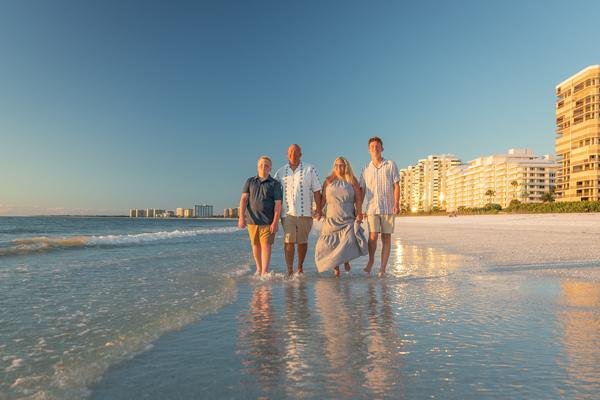
For most portrait sessions, plan to arrive about 60 to 75 minutes before the published sunset time. That does not mean every photograph is taken in direct sun for more than an hour. It means there is time to walk to the chosen spot, greet each other, make any last wardrobe adjustments, and begin with relaxed direction before the light becomes its softest.
A larger multigenerational family may benefit from arriving a little earlier. Grandparents, toddlers, and several household groups take a few extra minutes to get comfortable, and that is perfectly normal. Beginning with the full group while everyone is fresh gives us a strong foundation. From there, the session can naturally shift into smaller family combinations, sibling portraits, grandparents with grandchildren, and candid movement along the waterline.
For an intimate elopement or vow renewal, the schedule depends on whether the ceremony itself is part of the sunset experience. A ceremony held too close to sunset can feel hurried, especially if you want both meaningful vows and unhurried portraits. In many cases, beginning the ceremony 45 to 60 minutes before sunset creates room for the exchange, the first embrace, family congratulations, and couple portraits as the sky reaches its richest color.
The published sunset time is useful, but it is not the whole plan. A photographer who works these beaches regularly considers the direction of the sun, cloud cover, beach access, walking distance, dune shadows, tide, and the specific backdrop you hope to include. That local knowledge turns a lovely forecast into a calm, well-paced experience.
The Light Before Sunset
The hour leading into sunset is often called golden hour, though the exact quality of light changes by season and weather. On clear evenings, it can be bright at first, then increasingly warm as the sun drops lower. Thin clouds may soften the sunlight beautifully, creating an even, flattering glow that is especially kind to faces.
This is a wonderful time for natural movement. Families can stroll near the Gulf of Mexico tides, children can run toward a waiting parent, and couples can lean into one another without feeling arranged. Gentle guidance helps everyone look their best, but the goal is never to make you look frozen in place. The beach already has movement – waves rolling in, wind in a dress, bare feet sinking into sugar sand – and your photographs should feel alive within it.
The Minutes After the Sun Sets
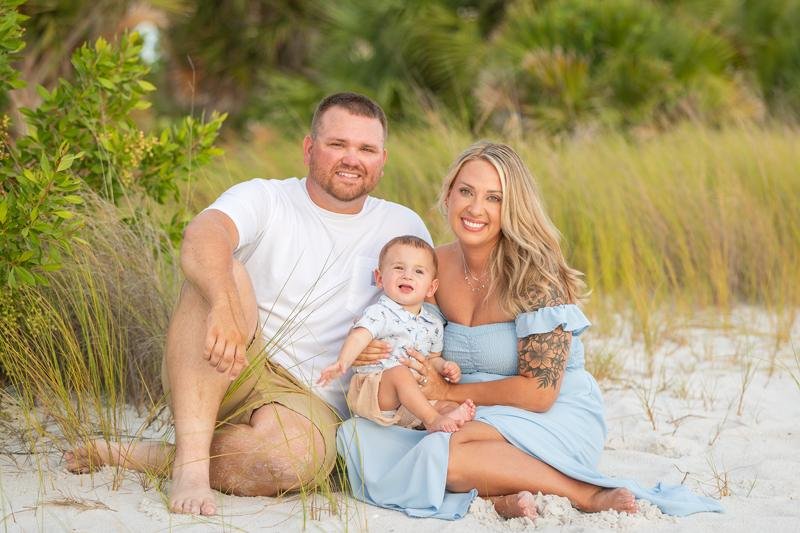
Do not pack up the moment the sun slips beyond the horizon. The afterglow can be one of the most rewarding parts of a Gulf Coast session. Colors often become softer and more layered, particularly when clouds are present offshore. The light is low, the pace slows down, and couples often relax into some of their favorite images of the evening.
There is a trade-off, of course. Twilight is not the time for large, fast-moving group arrangements or distant action photographs. It is best used for close connection: a couple walking at the edge of the tide, parents holding children close, a quiet silhouette, or a final portrait with the open horizon behind you. A well-planned session uses this brief light intentionally rather than hoping it appears.
Seasonal Sunset Timing in Southwest Florida
Sunset times change throughout the year, and the character of the beach changes with them. In winter, the sun sets earlier, which can be especially convenient for young children and evening dinner plans. The light can be crisp and beautifully clear, although the Gulf breeze may call for a light wrap or a little extra warmth after sunset.
Spring often brings comfortably warm evenings and luminous skies, but it is also a popular season on the islands and beaches. Giving yourself extra travel time is wise, particularly around busy vacation weeks. Summer sunsets occur later, with long, glowing evenings and warm water that invite relaxed shoreline photographs. Afternoon showers are possible, so flexibility and close attention to the forecast matter.
Fall can offer some of the most peaceful conditions of the year. The beaches may feel less crowded, the heat begins to ease, and the evening light can be rich and golden. There is no single “best” month for photographs because each season has its own mood. The right choice depends on your travel dates, your group, and whether you picture breezy pastels, bright summer color, or a quieter evening on the shore.
What Can Shift the Plan on the Beach
Weather is part of coastal photography, not a flaw in it. A completely clear sky can produce a classic golden sunset, while scattered clouds may create a more dramatic show of color after the sun goes down. Heavy clouds can shorten the brightest portion of the evening, yet they can also create soft, flattering light that photographs beautifully.
Wind, tide, and beach conditions matter too, for sunset session timing. At some locations, a higher tide narrows the available sand and changes where families can comfortably gather. A strong breeze may influence hair, veils, dresses, or the best direction to face. These details are why a location should be chosen for more than a pretty online view. The best spot is one that works for the actual conditions of your session.
If rain or unsafe weather is in the forecast, a professional plan should include clear communication and practical alternatives. Sometimes a short adjustment in start time is all that is needed. Other times, moving to another evening protects the experience you came to create. Flexibility is not about settling for less. It is about giving your photographs the conditions they deserve.
How to Plan Without Feeling Rushed
Build the evening around the session instead of trying to squeeze it between a late beach day and a restaurant reservation. Have everyone dressed, hydrated, and ready before leaving your hotel or vacation rental. Sandy feet are expected, but dripping swimsuits, snack-stained shirts, and a frantic search for shoes can steal energy from the beginning of the evening.
Choose clothing that lets you move comfortably and works with the coastal setting. Soft neutrals, gentle blues, warm earth tones, and subtle patterns tend to complement sand, sea, and sky without competing with them. Coordinate rather than match exactly. When each person feels like themselves, the photographs carry more personality.
For young children, bring a simple backup item if needed, but avoid arriving with a bag full of distractions. A favorite small toy, a quick drink of water, or a familiar song can help. More often, though, children respond best to a relaxed adult who lets them be curious. Some of the loveliest family images happen between the planned portraits, when a child reaches for a hand or laughs at a wave.
At Frank Simonetti Photography, the timing is tailored to the people in front of the camera, the beach beneath their feet, and the evening sky overhead. After more than 25 years photographing Southwest Florida’s coast, that preparation is what allows the experience to feel easy.
Your sunset is not a performance you need to get right. Arrive with enough time to breathe, stay present with the people you love, and let the last light of the day hold the memory for you.